Featured in Brand Heavy: What Happens When a Familiar Identity Changes?
In 2024, Brand Heavy invited me to contribute to a multi-expert discussion about Johnson & Johnson’s redesigned logo.
My reaction at the time was disappointment. I felt that replacing such a recognizable piece of the company’s visual history with a more generic-looking identity risked losing some of the personality and familiarity people had associated with Johnson & Johnson for years.
Other contributors saw the change differently. Some viewed it as a necessary modernization, while others connected the new identity to the company’s wider strategic evolution.
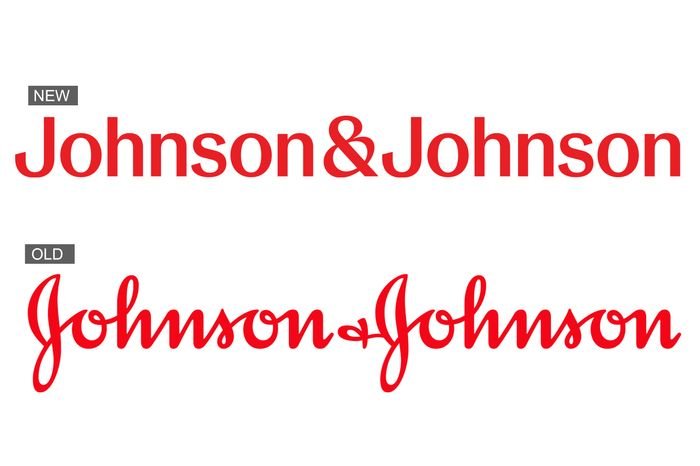
What Happens When You Change Something People Already Recognize?
Looking back, what interests me most isn't simply whether I liked the new logo.
It's what reactions to changes like this reveal about recognition.
When people encounter the same visual signals repeatedly over many years, those signals accumulate associations. A shape, typeface, colour, phrase or other familiar cue can begin carrying memories and expectations far beyond the design itself.
Change the signal and you are not only changing what something looks like. You may also be changing something people have learned to recognize.
Recognition Is Built Through Repeated Signals
This is one of the reasons established identities can be difficult to change. The person or organization making the change knows the strategy, context and reasoning behind it. The public encounters the result through everything they already associate with what came before.
That doesn't mean familiar signals should never change. It means the response to change can tell us something useful about which signals people had been using to recognize and make sense of an identity in the first place.
A Snapshot of My Thinking at the Time
The original Brand Heavy article captures my perspective during an earlier branding-focused chapter of Boss Diplomat. My work has evolved considerably since then, but my interest in how people recognize, interpret and form associations from repeated signals has remained.
That's why I keep features like this in the archive: not because every opinion or piece of terminology remains frozen in time, but because they show the questions I was already beginning to ask.